
Wat Lok Moli ‘Feed you eyes with Lanna-style architectures’

Visit Wat Lok Moli in Chiang Mai for a serene Lanna temple experience—teak viharn, a towering brick chedi, and photo-perfect moments.
🧭 Overview & Location
Wat Lok Moli is one of Chiang Mai’s most atmospheric old temples, located along the northern edge of the Old City moat on Maneenopparat Road, near Chang Phueak Gate and the Head Rin corner. It’s extremely easy to reach from anywhere inside the Old City—many travelers walk, cycle, or take a short ride by red truck (songthaew). What makes the first impression special is the contrast: lively traffic outside, then a sudden calm the moment you step through the entrance. Inside, the temple grounds feel open and unhurried, with space to wander, pause, and appreciate Lanna architecture without the crowd pressure you might feel at more famous city-center temples.


📜 Deep History — From Early Mentions to Royal Connections
Wat Lok Moli is often described as one of Chiang Mai’s oldest temple sites, with references linked to the early centuries of the Lanna Kingdom. Sources commonly connect the temple’s long religious role to the era of King Kuena, when Theravada Buddhism was strengthened in the region and monastic communities were supported. Over time, Wat Lok Moli developed into a significant spiritual landmark in the city’s northern quarter, with later construction phases that left a strong historical footprint—especially the great chedi (stupa) that dominates the back of the compound.
A key historical layer frequently highlighted is the association with Lanna royalty in the 16th century. Several Thai heritage references point to a major construction period around the early 1500s CE (mid-16th-century Buddhist era dates are often cited), including the building of the large stupa and its use as a place of enshrinement connected to an important royal figure. This is one reason the stupa is not only a religious monument but also a tangible “memory marker” of Lanna history—quietly monumental, rooted in the city’s past.
🏛️ Teak Lanna Viharn & the Brick Grand Chedi
Wat Lok Moli’s appeal is strongly visual and textural. The main viharn (assembly hall) is celebrated for its Lanna style and warm wooden character—teak tones, carved pillars, and layered rooflines that create an intimate, grounded feeling. Instead of dazzling with excessive ornament, the building draws you in with craftsmanship: carved details along beams and gables, patterned woodwork, and a gentle play of light inside. When sunlight filters in, the golden tones of the sacred images stand out beautifully against the darker wood, giving the interior a calm, reverent mood.
Behind the viharn rises the temple’s most iconic structure: a massive brick stupa in classic Lanna form. Unlike many stupas that appear freshly plastered, this one is often seen with a raw, weathered brick surface that feels honest and ancient. The scale is impressive—large enough that you sense it before you reach it—and the stupa’s time-worn textures make it exceptionally photogenic, especially in angled morning or late-afternoon light.
🕯️ The Main Buddha Image & Carved Lanna Details
Step into the viharn and your attention naturally centers on the main Buddha image, revered by many visitors as the spiritual heart of the temple. The naming of the principal Buddha and related devotional notes are frequently mentioned in Thai travel features, and many worshippers come specifically to pay respects here before exploring the rest of the grounds. The atmosphere inside is notably serene: subdued lighting, soft echoes, and a sense of quiet order that encourages you to slow down.
For travelers who love craftsmanship, it’s worth taking time to look upward and around. The wooden pillars and ceiling elements often carry Lanna-style motifs—traditional patterns and carved accents that reveal themselves gradually when you stop rushing. Even if you’re not an architecture expert, the tactile quality of the space makes it feel deeply “Northern Thai” in character.


🧱 The Grand Chedi at the Back — A Monument of Scale and Time
The back stupa is the kind of landmark that changes throughout the day. In the early morning, the air is cooler and the surroundings feel especially still, with only faint city sounds beyond the walls. As the day progresses, shadows shift across the brickwork, giving the stupa different moods—sometimes dramatic and bold, sometimes soft and contemplative. Walking around the base slowly is part of the experience; you begin to notice how the structure anchors the entire temple compound. Many visitors describe this area as “quietly powerful”—not flashy, but undeniably commanding.
🏮 Why So Many Lanterns and “Tung” Flags? — Yi Peng, Light Offerings & Local Belief
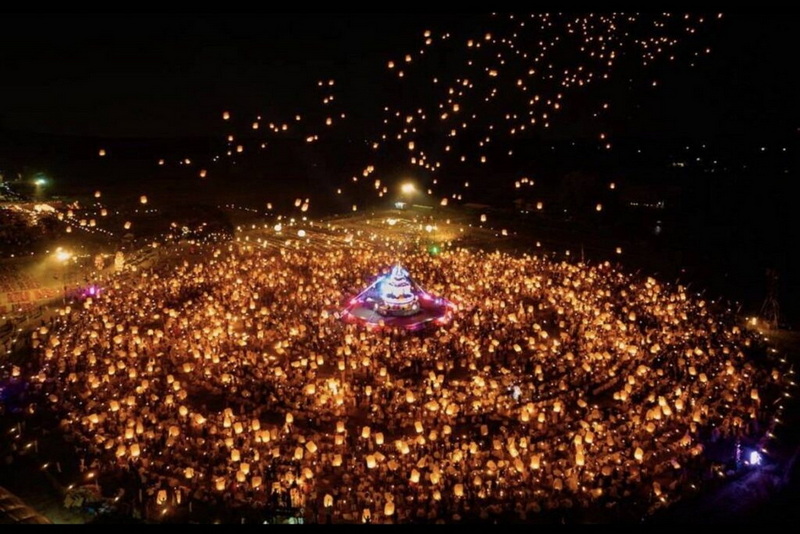
Wat Lok Moli becomes particularly magical during Yi Peng season in Chiang Mai, when colorful lanterns—often including the beloved “rabbit ear” lantern style—are hung across the temple grounds. In many local narratives, hanging lanterns is more than decoration: it is a symbolic offering of light, a gesture associated with reverence and the wish for a brighter path ahead. Visitors often write their names or prayers on lanterns and hang them with intention, turning the temple into a luminous field of hopes as evening falls.
Alongside lanterns, you may see many “tung” (traditional Lanna flags). In Northern Thai culture, tung are commonly used as devotional offerings and merit-making symbols. When combined with Yi Peng lanterns, the overall effect is both visually stunning and culturally meaningful—an environment where beauty and belief feel seamlessly connected. If you visit during festival periods, it’s best to be mindful of safety, respect signage, and avoid touching hanging decorations unless the temple has designated areas for participation.
🪷 Sacred Corners & Deity Shrines — Names, Meanings, and What People Pray For
One of Wat Lok Moli’s most distinctive features is the presence of multiple worship points that reflect how Thai spiritual practice often blends Buddhism with Hindu-Brahmanic and regional devotional traditions. Thai cultural references describe a range of revered figures and shrines found around the temple grounds, including a Guanyin (Kuan Im) shrine—often in the Thousand-Armed form—alongside Brahma (Phra Phrom), Ganesha (Phra Phikanet), and other protective or prosperity-associated deities such as Thao Wessuwan (also known as Kubera in broader traditions). Some accounts also mention additional revered figures and symbolic guardians tied to local faith practices.
In terms of intention, worshippers commonly associate Ganesha with success, creativity, and removing obstacles; Brahma with well-rounded blessings and stability; Guanyin with compassion, protection, and peace of mind; and Thao Wessuwan with protection and warding off negativity. Customs can vary—how to pray, what offerings are suitable, and which direction to begin—so it’s always wise to follow temple signage or ask politely on-site for the most appropriate practice.


👑 The Story of Queen Chiraprapha Mahathewi — A Royal Patron Figure
Another layer of interest is the association with Queen Chiraprapha Mahathewi, often referenced in relation to temple patronage. Thai heritage sources speak of a dedicated area connected to her name, with representations that honor her role and remembrance. For many visitors, this becomes a meaningful stop for personal prayers—especially those seeking blessings linked with charm, goodwill, and harmonious relationships. Whether you come for history or faith, this corner adds a distinctly “human” story to the temple’s narrative: royalty, legacy, and devotion embedded in place.
🌿 The Atmosphere — Peaceful Without Feeling Empty
Lok Moli temple is often described as calm but not deserted. It feels like a living temple: you’ll see locals paying respects, travelers moving quietly with cameras, and small moments of daily devotion. This balance makes it ideal for visitors who want both an authentic spiritual environment and enough space to reflect. If you prefer a gentler pace, morning is especially rewarding—cooler temperatures, softer light, and fewer people.
🧘 Recommended Experiences — More Than Just Photos
To experience Wat Lok Moli meaningfully, begin inside the viharn with a respectful moment of stillness—just a few minutes of quiet can shift your whole visit. After paying respects, take your time examining the woodwork and Lanna details, then walk toward the back stupa slowly. The area around the stupa invites a mindful loop: one gentle circuit can feel like a short meditation. If you visit during Yi Peng, participating in lantern hanging (where allowed and guided) can become a memorable cultural moment—both visually and spiritually—especially around sunset into early evening when lanterns start to glow.
🚗 Getting There, Opening Hours, and Entrance Fees
Reaching Wat Lok Moli is straightforward. From the Old City, you can walk or cycle easily, or take a quick ride by songthaew or tuk-tuk. Parking in the immediate area can be limited, especially during festivals, so allow extra time if you’re driving. Many travel references describe the temple as open daily from early morning until early evening, commonly around 6:00 AM to 6:00 PM, and generally free to enter, with donations welcomed. Because festival schedules and special events can affect the atmosphere and timing, checking local announcements or signage at the temple on the day of your visit is a smart idea.
👕 Dress Code & Etiquette — How to Visit Respectfully
As with any temple in Thailand, modest clothing is important: covered shoulders, longer bottoms, and no overly revealing outfits. Shoes should be removed before entering the viharn. Keep your voice low, especially if others are praying or meditating. During lantern-heavy festival periods, avoid tugging or touching hanging decorations, and follow any designated paths or participation zones so everyone can enjoy the space safely and respectfully.
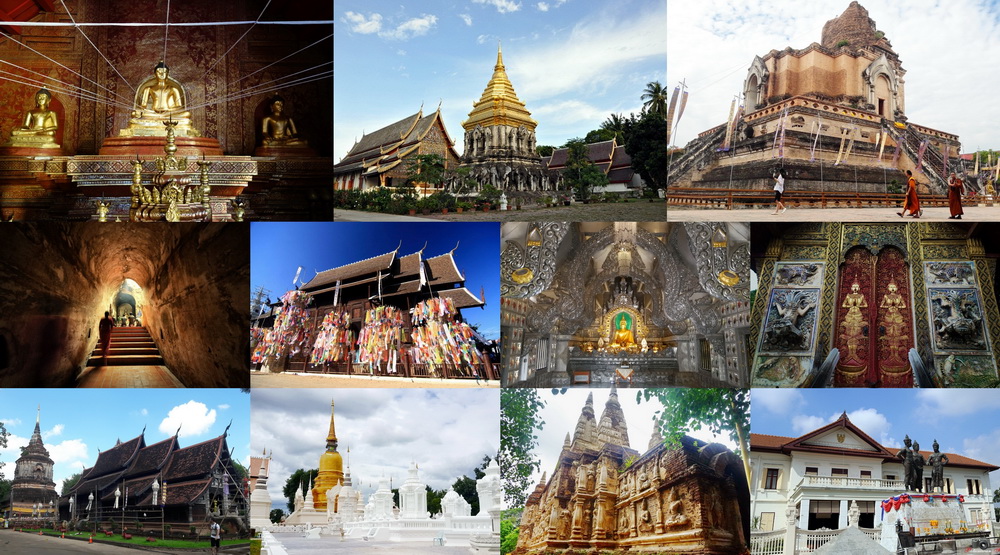

Nearby Places
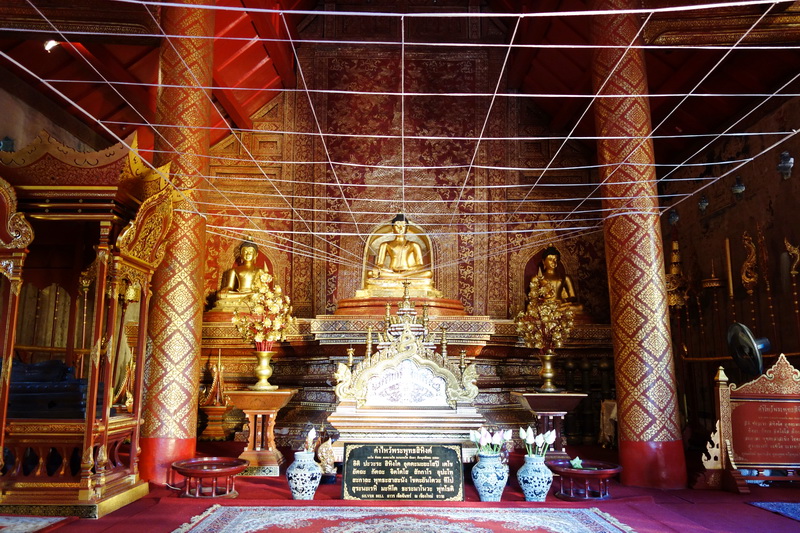
Wat Phra Singh is perhaps the second most venerated temple in Chiang Mai after Wat Phra That Doi Suthep. It houses three main structures, the main attraction being the elegantly decorated Lai Kam assembly hall and its restored murals depicting the lives of locals hundreds of years ago.
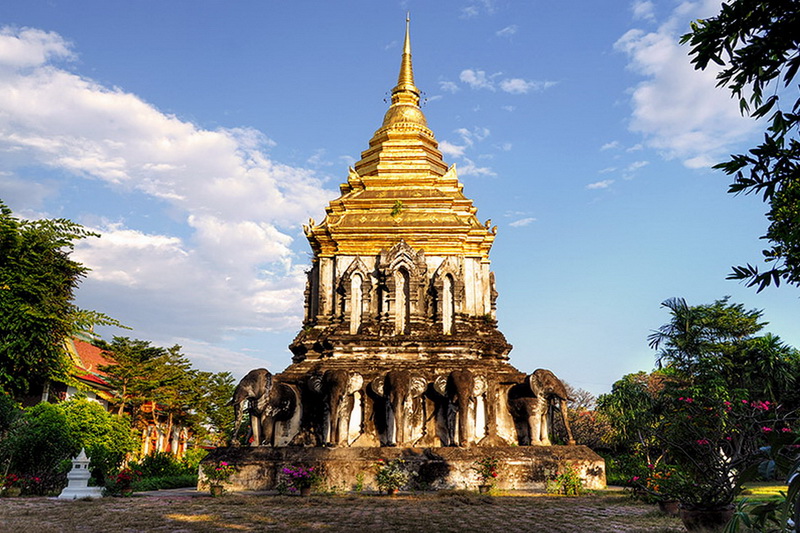
Located inside the moat in the northeast corner of the Old City, this is probably the oldest surviving Buddhist temple in Chiang Mai. Thought to have been built in 1296 during the reign of King Mengrai, Wat Chiang Man served as a temporary home to the ruler while his new city of Chiang Mai was under construction.
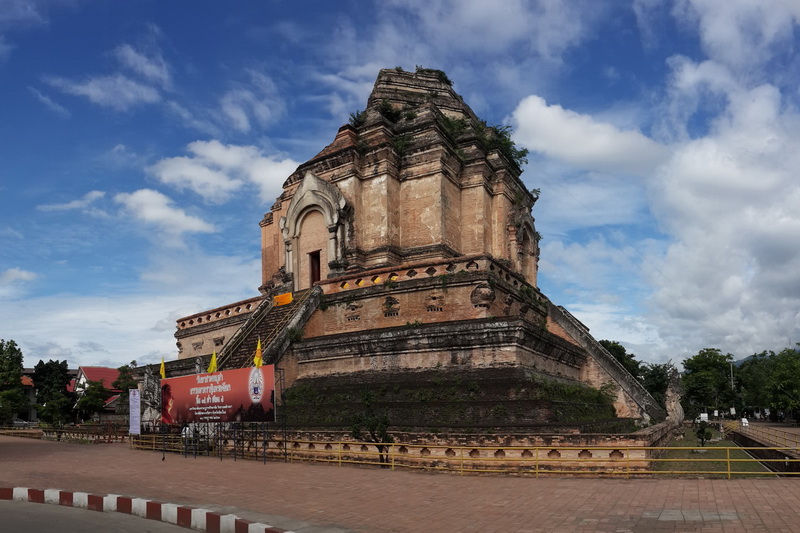
Only 6 minutes! Yes, right, 6 minutes! Just drive from Wat Lok Moli for about 6 minutes and you will arrive Wat Chedi Luang. The route is only 2.2 kilometres. You may be able to walk on your feet instead of using a car, actually.
Wat Pan Tao is located next to the large royal temple, Wat Chedi Luang, in Chiang Mai, Thailand. The temple’s most interesting feature is it’s wooden chapel, one of very few left in Chiang Mai. Built in the late 14th century, the chapel was originally a royal palace, but was moved to the royal grounds in the 19th century to commemorate the new King.



Leave A Comment